Only the Bridge Matters Now is a multimedia project about Bolivians from the Valle Alto region struggling to keep their communities and families united in Northern Virginia by carrying on tradition, memory, and immense love for their hometowns.
Solo el puente cuenta ya es un proyecto multimedia sobre los bolivianos del Valle Alto que luchan por mantener a sus comunidades y familias unidas en el Norte de Virginia mediante la tradición, la memoria, y el inmenso amor por sus pueblos natales.
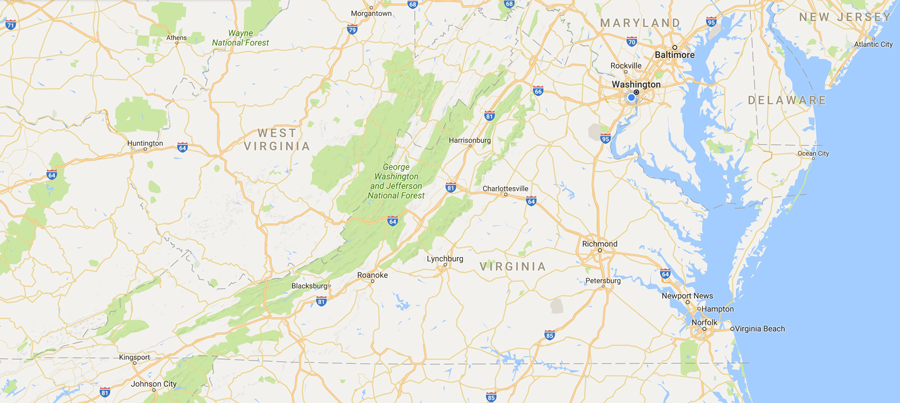
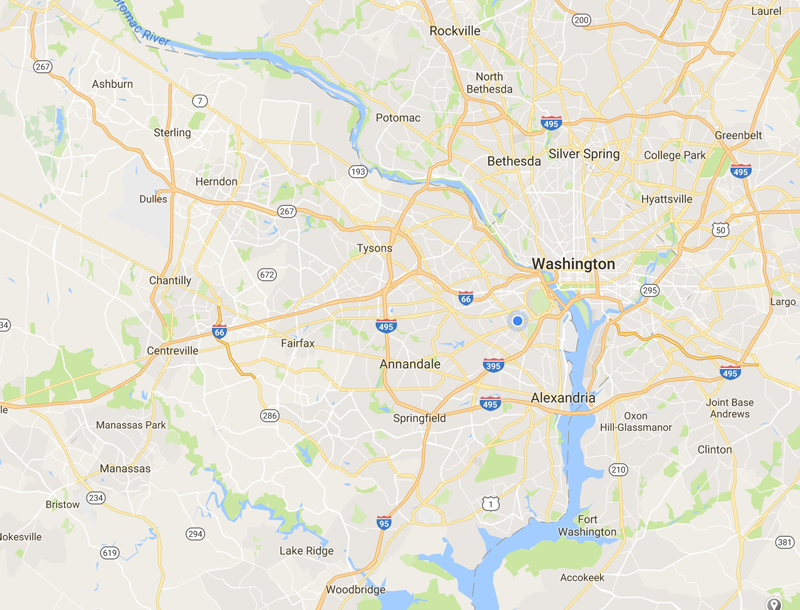
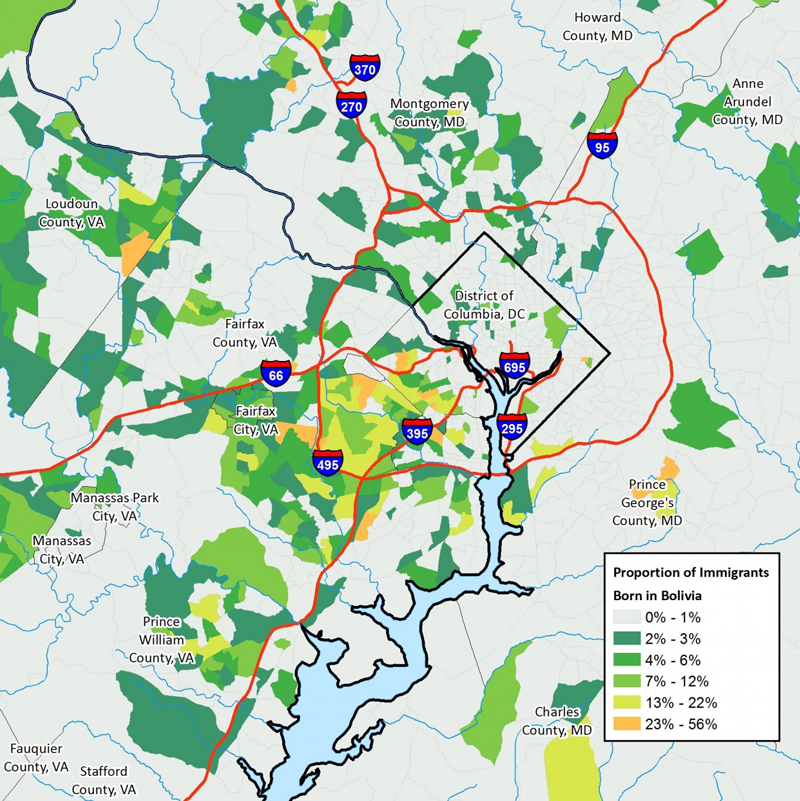
Northern Virginia is home to the largest Bolivian community in the United States. While many are from cities like La Paz, Cochabamba, and Santa Cruz, thousands in Virginia come from the Valle Alto region just southeast of Cochabamba. The Valle Alto community in Virginia has created a unique and strong cultural, familial, and economic relationship between Virginia and their hometowns in Bolivia since the 1980s.
Estimates of the numbers of Bolivians vary and often can't accurately take into account the large number of Bolivians with undocumented legal status. According to Leonardo de la Torre Ávila, a Bolivian researcher on Valle Alto migration, the community in Virginia was estimated to be 150,000 in 2006, enough to be Bolivia's 8th largest city.
Sandra Patiño has lived in Virginia for nearly 16 years. She's originally from Tarata, Bolivia and comes from a migrant family. Her father was from Potosí, Bolivia and immigrated to Tarata when there was a drought in his hometown. When Sandra was 5, her family moved to the city of Cochabamba during a drought in the Valle Alto.
Álvaro Yave is originally from Santa Rosa, Bolivia. The first time he left Santa Rosa was to go to Argentina. After 4 years, he returned to Santa Rosa for the 2002 anniversary party, when he met his future wife, Erika Alba Yave. In 2003, he decided to come to the United States. He had planned to be here for 2 or 3 years, but it's now been 13 years. Erika came after him and they now have 2 kids, Evelyn (9 years old) and Jen (2 years old).
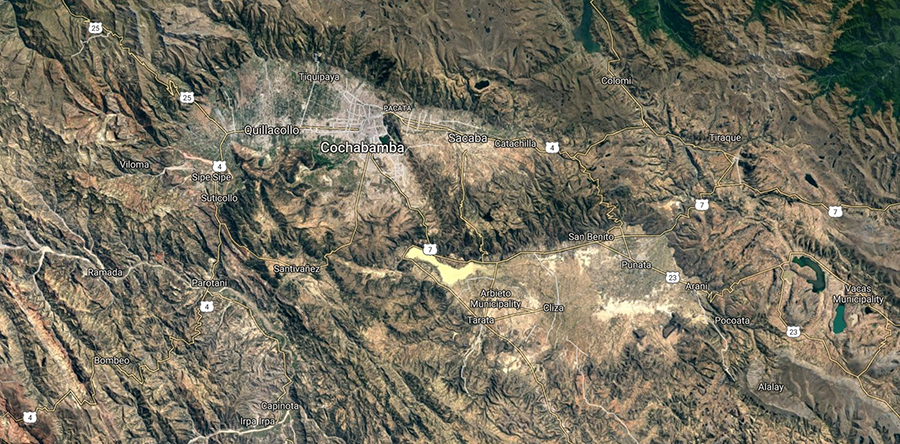
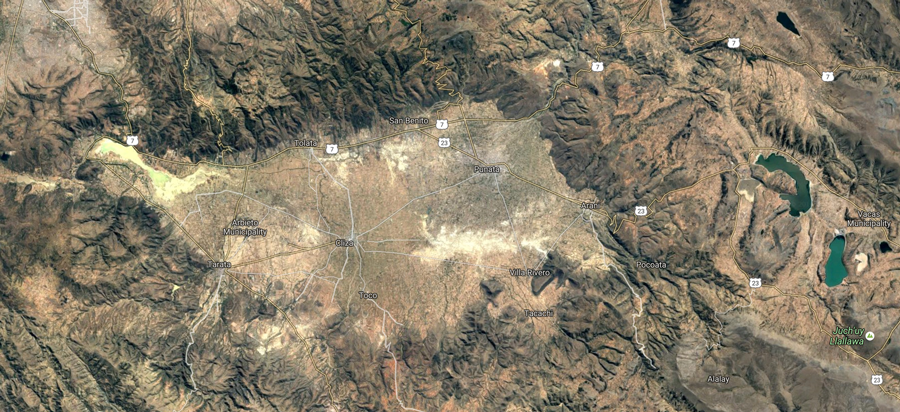
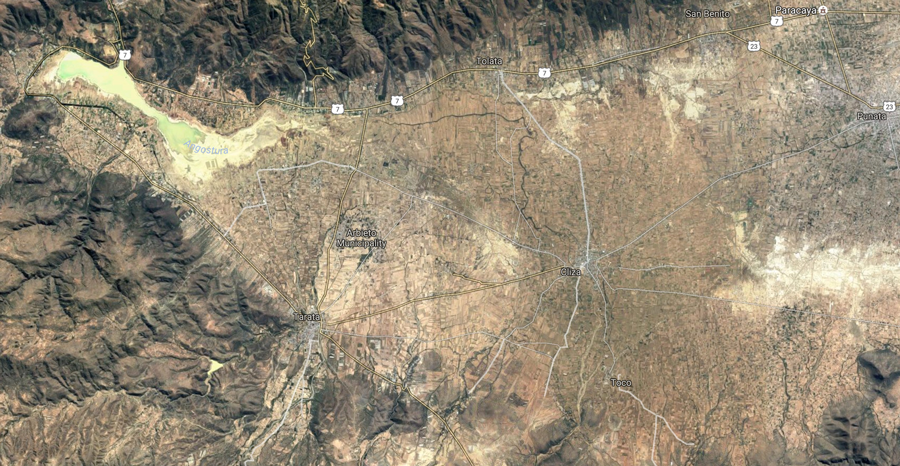
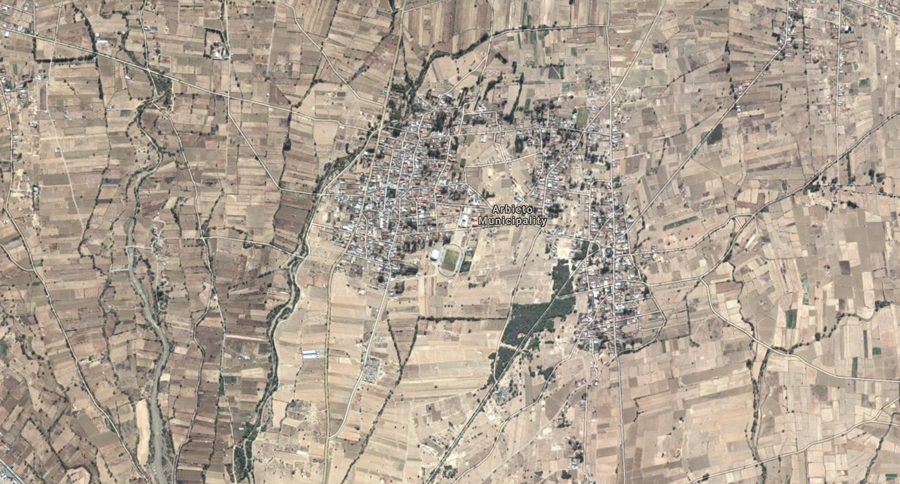
The Valle Alto is a high valley almost 9000 feet in elevation with a valley floor about 30 miles wide and an average 70 degrees Fahrenheit temperature. It is southeast of Cochabamba and is historically very productive agricultural area, but people have suffered greatly after droughts and loss of harvests. Since there are few other opportunities for work and little to no support from local institutions, the onlyalternative to declining agriculture has been to leave.
Julia García has lived in Virginia since 1988. She promotes Bolivian culture in the region, teaches Spanish in a local middle school and Quechua on the weekends, and, while she is from a different area of Bolivia, the Valle Centro, she has become a dear member and leader of the Valle Alto community in Virginia.
The Valle Alto has a unique and long history of emigration – of people leaving and to go to cities and other regions of the country or to other countries like Chile, Argentina, Spain, and the United States. They leave to make a living that they cannot make in Bolivia and to send money to their families and hometowns. The first wave was to Chile in the late 1800s until WWI, then to Argentina after the 1952 revolution and land redistribution, and then to Virginia in the 1980s when Argentina's economy collapsed.
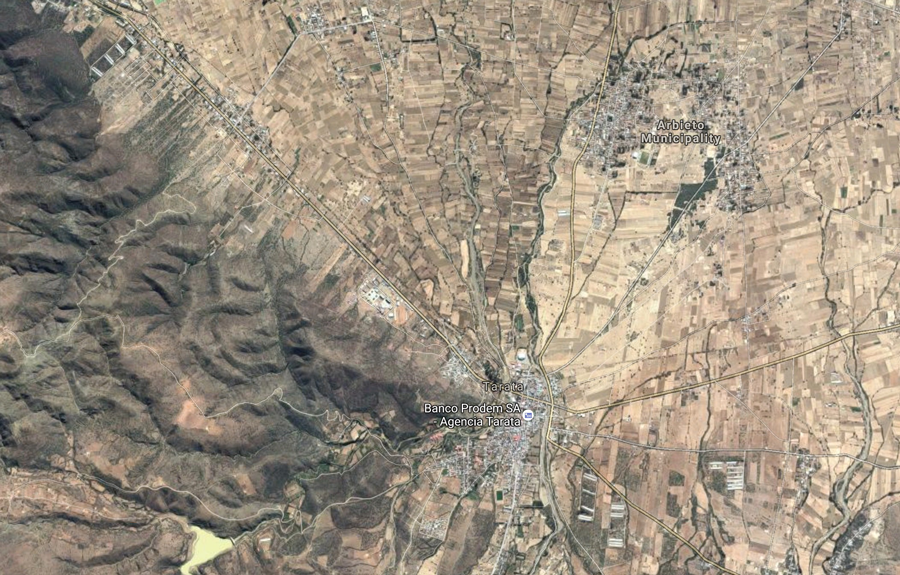
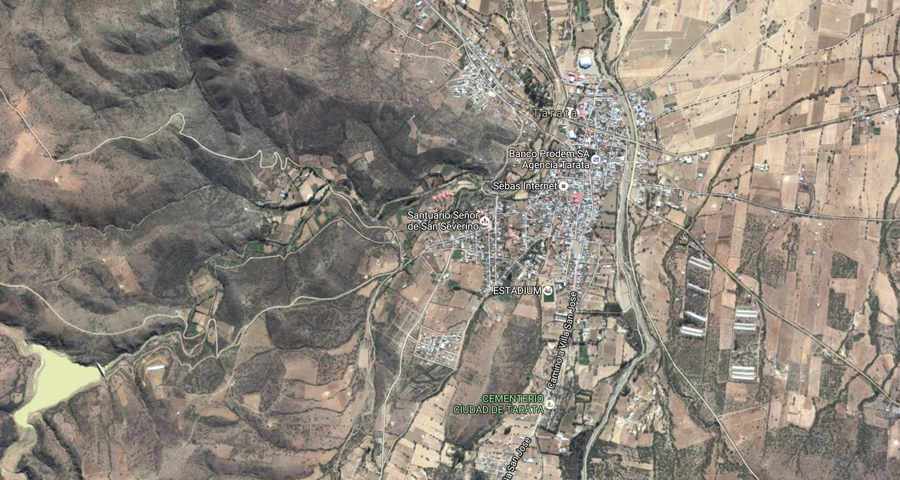
1952 marked an important moment in the history of emigration in the Valle Alto. Land redistribution in the region meant that landholders lost much if not all of their land and needed to find other professions and livelihoods. Tarata was the colonial center of the region and many of these elites lived there. Other people in the rural areas around Tarata received land, but farming on such a small scale made them vulnerable to market and environmental fluctuations. Both groups became more fragile as a result of the land redistribution and both groups emigrated as a result.
Luke Sejas born in Bolivia in 1979, but went with his parents and siblings to Argentina when he was only 6 months old. He spent his childhood in Argentina and never visited Bolivia until the late 1980s, when Argentina's economy collapsed and his family moved back to their hometown Santa Rosa. Luke was 11 at the time.
One by one, Luke's family members came to Virginia in the United States. His oldest sister was the first to think about going to the United States. She came in 1992. Then she helped their dad, their sister, their cousin, and when their brother finished studying, they encouraged him to come, too.
When Julia arrived to Virginia in 1988, the community from the Valle Alto was small. People from each town lived in the same apartment building together and spent time only together. In this way, they stuck together and remained mostly isolated from the other towns. Where people from Tarata lived, for example, was referred to as "Tarata Town." But, Argentina's economy collapsed in the late 1980s and that's when Valle Alto migration in masse began from Argentina to Virginia. Argentina had an agreement with the US so that Argentine citizens could enter the country without a passport. Since the majority of people from the Valle Alto had moved to Argentina to work, they had become Argentine citizens and were able to enter the United States as such.
Orlando Pérez was one of the first people to come from his town, Santa Rosa. He arrived here in 1989. At that time there were barely enough men from Santa Rosa to form a soccer team.
A few years later in 1992, the men began to bring their wives and families to Virginia. Today, the community of Santa Rosa in Virginia counts 498 families, most with two parents and 3-4 kids. Counting individuals, Santa Rosa has over 1,000 members in Virginia. In the 2012 census, less than 300 families were counted in Santa Rosa in Bolivia, most of which are families who came from other areas of Bolivia to live in and take care of the houses of Santa Roseños living in the United States.
Tarata is a colonial town in the Valle Alto and has had a position of power in the region since its founding 206 years ago. It was a commercial center for the region while the towns around it were agricultural zones. Santa Rosa, for example, primarily produces peaches and was recently founded in the 1950s.
Following the upheaval of the 1952 revolution, Tarateño families that had relied on agriculture lost their land and their children needed to find other professions. There weren't many options to survive off of, though, and a few people came to Virginia in the 1960s. By the 1980s, people came en masse an then word spread to the smaller towns about opportunities in Virginia.
Justo Barriga was one of the young men who chose to stay in Bolivia. He moved to the city as his friends moved to Virginia.
Luke didn't have an easy time being a student in Santa Rosa because he couldn't dedicate a lot of his time to his studies. He had to help cover his family's costs and the only resource they had were cows, their milk, and cheese which his mom made. He went back to Argentina alone for one year, from 15-16 years old. Once back in Santa Rosa, he lived alone with his mom, but it wasn't long before he left again. Just turning 18, his sisters and father in Virginia planned for him to come to the United States.
The reason so many people have left the Valle Alto is in order to take care of their families and help their towns progress, which they define collectively for themselves. At the heart of this responsibility for each other is an Andean philosophy and way of living called Ayni.
To fulfill Ayni within their families, the Valle Alto community in the US, Spain, Argentina, and other countries send remittances to their families in Bolivia. While the Department of Cochabamba makes up only 18% of Bolivia's total population, the department receives 40% of all remittances sent to the country. These remittances are sent primarily first to parents, second to children, and third to spouses.
Remittances are an important part of Bolivia's GDP and their strongest year was 2007. In that year, the Inter-American Development Bank (IDB) estimated that remittances to Bolivia surpassed 1 billion USD and comprised almost 10% of the country's total GDP. Mexico is the country that receives more monetary remittances than another other and remittances made up only 3% of its GDP that same year. Bolivia has the highest percentage of remittances as a percentage of GDP of all South American countries. In 2012, Bolivia still had this standing even though remittances had dropped to just 4.1% of GDP.
Sandra is driven to provide her son with the economic stability and the gift of choices, of opportunities, which she didn't have in Bolivia.